icons.
Lorem ipsum dolor sit amet, consectetur adipiscing elit. Ut elit tellus, luctus nec ullamcorper mattis, pulvinar dapibus leo.
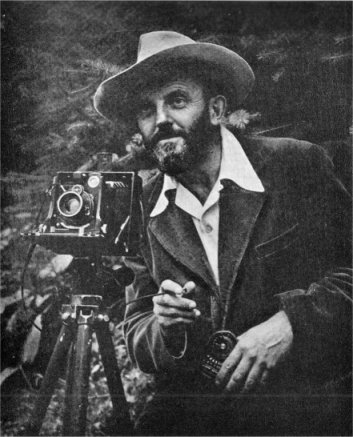
Ansel Adams (1902–1984)
Iconic For: Black-and-white landscape photography, particularly of the American West.
Story:
In the vast, sweeping beauty of Yosemite National Park, Ansel Adams found his calling. Armed with a large-format camera and an unmatched passion for nature, Adams captured the majesty of the American landscape in black-and-white prints that would forever change how people saw the wilderness. He wasn’t just a photographer; he was an advocate for conservation. His work, often stark and dramatic, showcased the raw power of natural landscapes. Through his meticulous darkroom technique, Adams created images like Moonrise, Hernandez, New Mexico, that were not just photographs but works of art. His use of light and shadow, the deep contrasts in his prints, created a haunting beauty that has inspired generations to connect with and preserve the natural world.
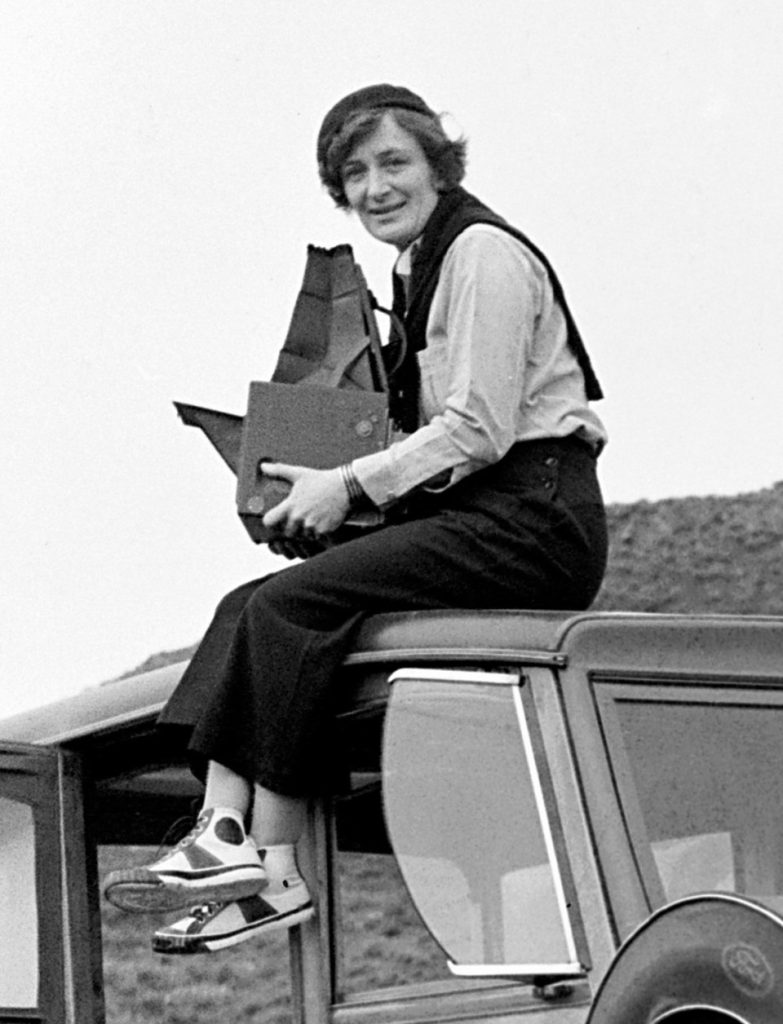
Dorothea Lange (1895–1965)
Iconic For: Documentary photography, especially her work during the Great Depression.
Story:
Dorothea Lange didn’t just capture moments with her camera—she captured human emotion, struggle, and resilience. In the depths of the Great Depression, Lange’s most famous image, Migrant Mother, showed Florence Owens Thompson, a destitute mother struggling to feed her children in California. The photograph became a symbol of the hardship faced by millions of Americans, but also of their perseverance. Lange’s ability to connect with her subjects on a deeply personal level allowed her to create photographs that transcended documentation. She didn’t just take pictures—she told stories that stirred the hearts of the nation, encouraging them to confront and address social injustice.
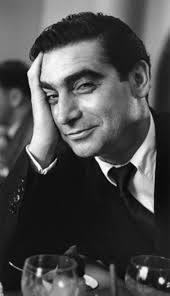
Robert Capa (1913–1954)
Iconic For: War photography, particularly from WWII and the Spanish Civil War.
Story:
Robert Capa once famously said, “If your pictures aren’t good enough, you’re not close enough.” He lived by this mantra, getting right into the heart of conflict, camera in hand, during some of the 20th century’s most harrowing moments. Capa’s photographs from the D-Day landings on June 6, 1944, and the Spanish Civil War are legendary for their rawness and emotion. While many photographers might shy away from the chaos of war, Capa embraced it, capturing soldiers in the thick of battle, their faces filled with fear, determination, and hope. His image The Falling Soldier is one of the most iconic war photographs of all time. Capa’s bravery and his commitment to documenting history, no matter the danger, cemented his legacy as one of the greatest war photographers of all time.
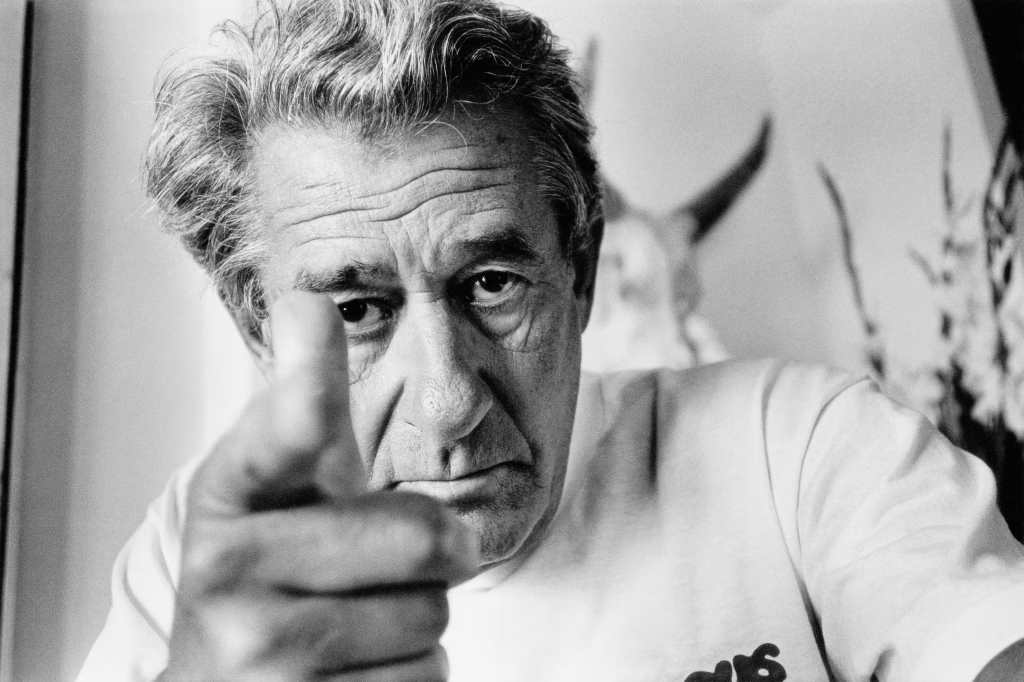
Helmut Newton (1920–2004)
Iconic For: Fashion photography, especially his provocative and bold images.
Story:
Helmut Newton didn’t just photograph models—he created iconic, larger-than-life images that redefined fashion photography. His work was charged with tension, sexuality, and elegance, often featuring stark contrasts and high drama. Newton’s images were provocative in their portrayal of women—powerful, confident, and unapologetically sexy. His work in Vogue and other fashion magazines pushed boundaries, combining the worlds of high fashion and the gritty streets, the sublime and the shocking. In many of his photographs, women were portrayed as both empowered and enigmatic, often in scenes that suggested more than they revealed. Newton’s work was groundbreaking because it blurred the lines between art and commerce, turning the fashion shoot into an art form.

Annie Leibovitz
Annie Leibovitz is misschien wel een van de bekendste fotografen van de afgelopen decennia. Ze staat vooral bekend om haar portretten van beroemdheden, die vaak een dramatisch en artistiek element bevatten. Leibovitz werkte jarenlang voor Rolling Stone en Vanity Fair, waar ze iconische beelden schoot van beroemdheden zoals John Lennon, Queen Elizabeth II, en de cast van Star Wars. Haar stijl is zeer herkenbaar door het gebruik van rijke kleuren en indrukwekkende composities. Ze heeft ook een aantal beroemde foto’s van muzikanten, filmsterren en politieke figuren gemaakt.

Steve McCurry (1950–Present)
Iconic For: Portrait photography, most famously Afghan Girl.
Story:
Steve McCurry’s photograph Afghan Girl, taken in a refugee camp in Pakistan in 1984, became one of the most recognizable images of the 20th century. The piercing green eyes of Sharbat Gula, a young girl living in desperate conditions, conveyed a raw, universal humanity that resonated with people across the globe. McCurry’s ability to capture emotion in a single frame is what makes his work so powerful. He’s a master of portraits,